
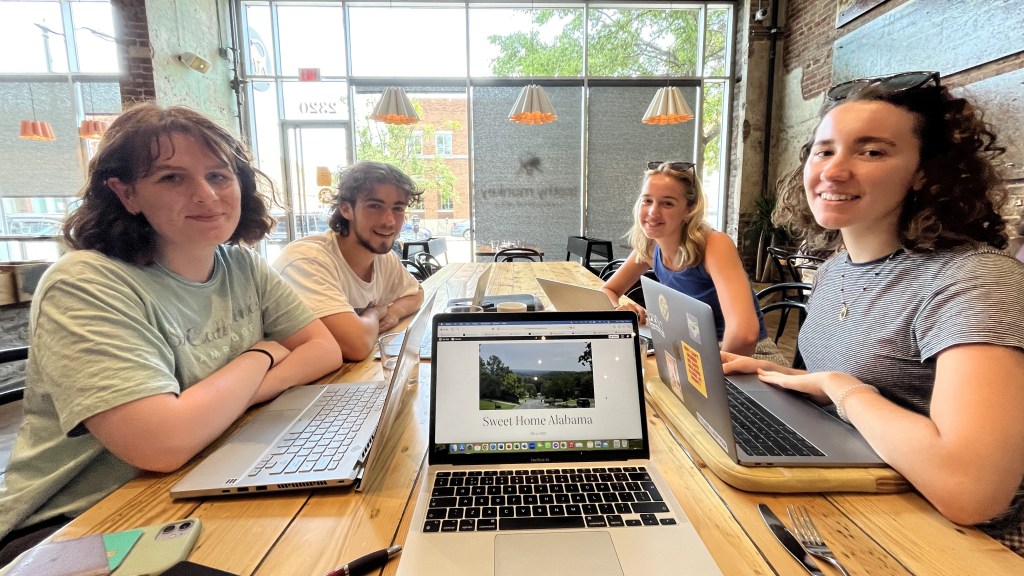
DOWNTOWN BIRMINGHAM – I’ve spent the week settling in, battling heat, jetlag, mosquitos, and scoping out which issues in Alabama’s legal system might make a good story.
I also wanted to learn more about the people I’m living with – besides our planned prison documentary, which cases are the 3DC interns working on and what are their motivations for being here? In short, what inspires four Cambridge law students to use their summers for pro-bono human rights work in America? They could just as easily be doing paid internships at a corporate firm, with the prospect of a secure job offer at the end. Curious to understand their commitment to criminal defence law, I interviewed my new housemates about how they got involved…
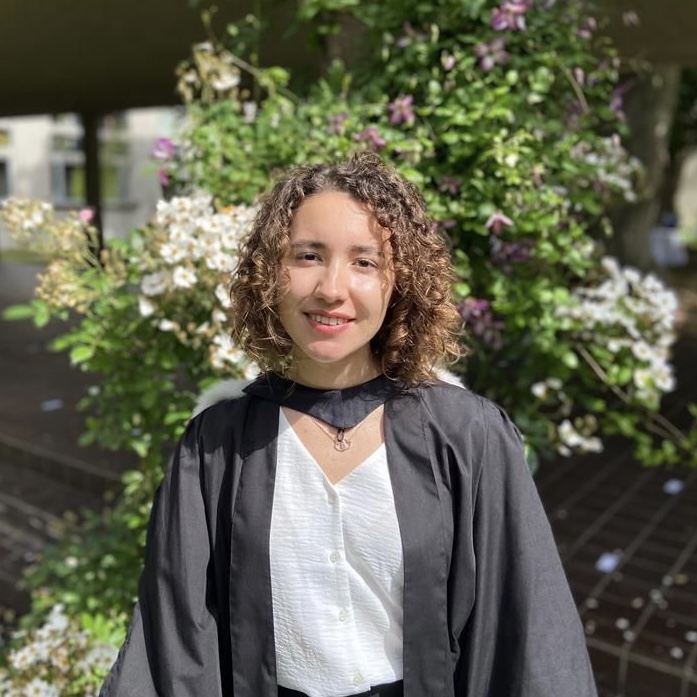
Clara Douglas recently graduated from Murray Edwards College, Cambridge (BA Law). She came to Alabama for the first time in 2022 as part of the Post Mortem Project – an initiative which seeks to identify wrongful executions and gain posthumous clemency for those unjustly subjected to capital punishment, while supporting lobbyists for death-penalty reform. Keen to continue this work, Clara partnered with 3DC and The Woods Foundation to create a summer scheme for other students: half the time is used for further PMP cases, and the rest is spent giving pro-bono assistance to defence attorneys working on live death penalty cases.
“What motivated you to do this?” I ask. We’re at a coffee shop in downtown Birmingham, and Clara looks up from the draft appeal document on her laptop. “I’ve always wanted to be a criminal lawyer,” she tells me, “but that’s mainly because I want a profession where I’m able to help people. Being a lawyer is only relevant for me because I care about supporting others and advocating for justice in society – I wouldn’t want to work in an aspect of law where I wasn’t able to do that.”
I sit up and sip my coffee. “Is that what drew you to the US in particular?” Clara nods. “Yes, the stakes are higher here,” she says. Because of the death penalty, she believes criminal defence work is more important than ever, and the high number of prisoners on death row in Alabama made it a ripe location to concentrate her efforts and gain experience.
Still, I probe further. “Were you never tempted by commercial work with a higher salary?” I find it surprising that Clara spent three years at Cambridge without being sucked into the path of UK corporate law, but she doesn’t waver: “I just wouldn’t find that sort of work rewarding,” she says. “It’s a real shame that commercial law pays more than criminal, because it creates a system where working in line with your morals is seen as a privilege, and where people going into defence often rely on pre-existing personal wealth. That’s not how it should be at all, but as long as I can get by, my priority is having an interesting job that helps clients who need it.”
I pause for a moment, before pointing out that Clara’s clients will be criminals. “Why would you want to defend a murderer if you wouldn’t feel comfortable defending a multi-national corporation?” I ask. Clara says representing a TNC would make her feel immoral. “The system’s already stacked in favour of profit-driven companies and wealthy people,” she justifies. “On the other hand, most people in the criminal justice system are there because of issues of race and class inequality. I’d represent them because I don’t believe poverty should, in effect, be criminalised.”
As for defending a murderer, Clara says she’s not advocating for crime itself but for the fair treatment of those accused – throughout their trials and beyond.
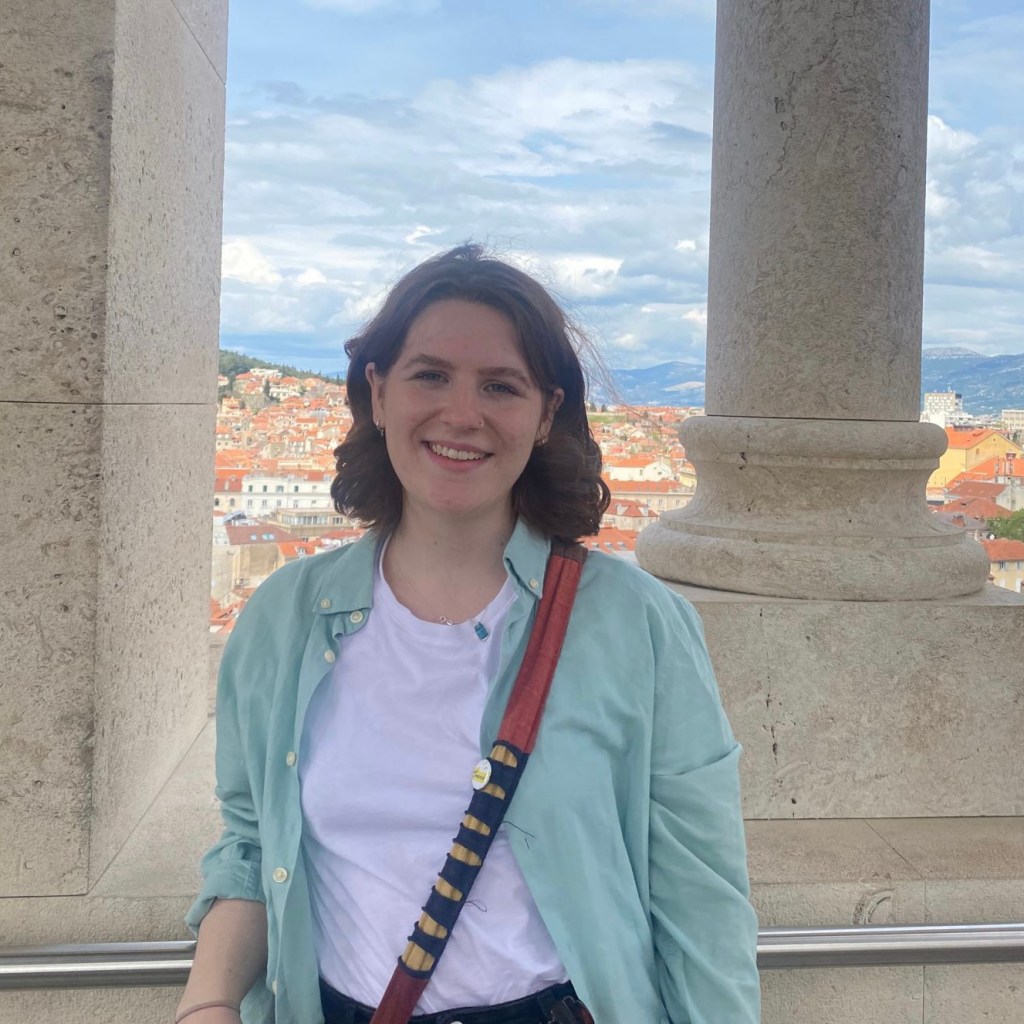
I turn to Aoibhín Spriggs, who’s entering the final year of her law degree at St Catherine’s College after a year abroad in the Netherlands. Like Clara, Aoibhín has a background in human rights, having volunteered for Amnesty International and the death row support charity Amicus.
I ask how she got involved with the Alabama scheme. “I saw it advertised through the human rights law society at Cambridge and thought it would be great experience,” she says. “I think it’s more interesting than a conventional internship, where you’d be in an office doing planned assignments. You have a lot of responsibility working on real cases, and we’ve developed valuable research skills.” Beyond this, the defence attorneys who 3DC’s interns have agreed to help are often demoralised and seem to view their clients’ defeat as a foregone conclusion (as I’ve witnessed first-hand this week). According to Aoibhín, this makes the group’s work even more important – having a team which cares can really impact a case.
“And what drew you to criminal law in the first place?” I ask, finishing my coffee and ordering another. “I wanted a fulfilling job, rather than a soulless one,” she tells me. “I was always aware of injustice in society and communities around me growing up, and it showed me how systems fail people. The law isn’t always applied justly and I think everyone going through the judicial process should have access to equally committed and professional counsel.”
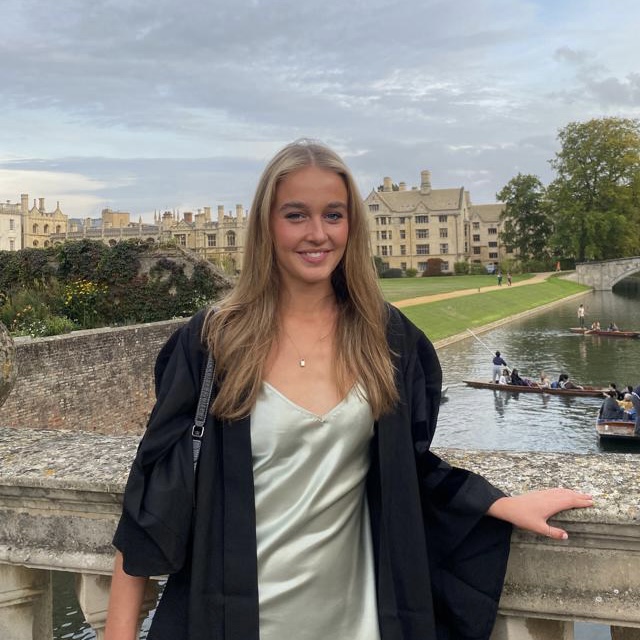
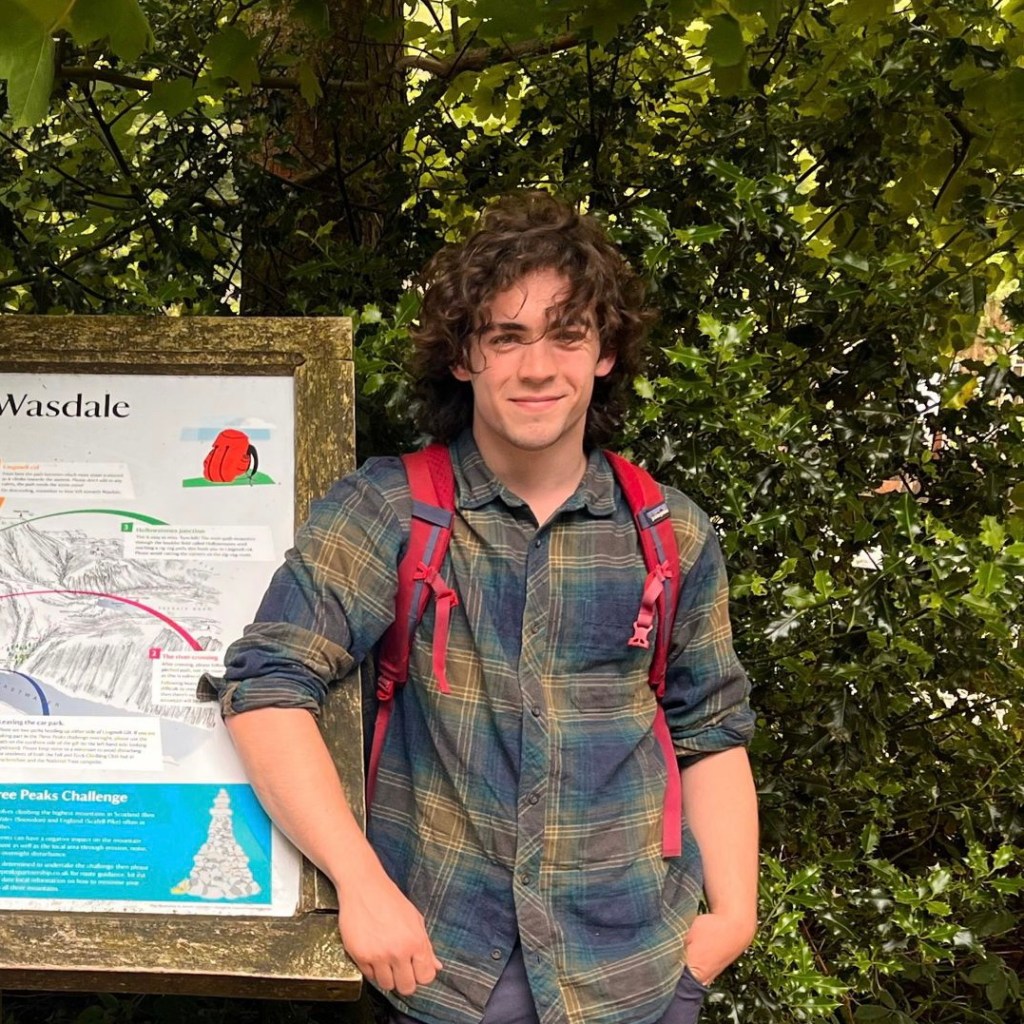
Then I question the other interns, Millicent Howat and Sebastien Gentile. Millie and Seb have just completed their first years of study, at Clare College and Gonville & Caius respectively. They’re further away from committing to a particular career direction than the others, so I’m interested to see how working on PMP at this stage has influenced their plans.
Seb says he started university with a broad interest in human rights and public policy, which has been deepened and streamlined by his work in Alabama.
“Looking at PMP cases really changed my perception of the criminal justice system,” he tells me. “I came in assuming it was far more functional than it is, but now I’ve started to think seriously about the humanity of the people involved.” Like the others, Seb wants to continue exploring criminal law. “I think one of the best ways to get something out of a career as a lawyer is to work with clients who really need help,” he adds.
Millie says she embarked on her degree with no particular plan to work in law after graduating. “I applied more out of academic curiosity,” she says. “It’s only from working on criminal cases that I started to view law as a real job option.” Millie tells me she wants a job with human impact. “In good conscience, I just couldn’t see myself using the privilege of studying law at Cambridge for a career that didn’t give back to the community and improve things for others. It’s definitely PMP which has made the legal profession seem worthwhile.”
I drain my coffee. As an Oxbridge student myself, I know the careerist mentality which prevails at our universities, and that many of our peers will likely go on to prioritise plush offices, fancy suits and fat paychecks. It’s somewhat unusual to meet four law students who see criminal defence work as fulfilling, but it also restores my faith in humanity a little.
At any rate, the next month with this group is going to be fascinating.
 Freya Jones